
Is Porridge Good for You? 5 Practical Tips for a Better Bowl
Porridge is one of the simplest breakfasts I recommend to clients. It is warming, filling, inexpensive and easy to adapt to your own tastes.
Plain oats provide fibre, including a soluble fibre called beta-glucan. They can contribute to a varied diet, help you remain satisfied through the morning and may support more comfortable bowel habits.
However, you do not have to force yourself to eat porridge simply because it is considered healthy. Some people dislike the taste or texture, while others find oats too heavy for their digestion.
The important thing is to find a nourishing breakfast that works for your body.
Here are the five porridge tips I share most often, along with the way I prepare my own.

1. Choose plain oats rather than a sugary cereal
The first thing to look for is a packet containing plain oats without added sugar.
I choose organic oats when I can because that is my personal preference, but your porridge does not have to be organic to be a worthwhile breakfast.
I particularly enjoy jumbo oats because the larger flakes have more texture and bite. Regular porridge oats are equally suitable if you prefer a softer, smoother bowl.
Jumbo oats are not automatically more nutritious than regular oats. The difference is mainly the size and texture of the flakes and how long they take to soften.
The best oats are the ones you enjoy and will actually eat.
2. Soak jumbo oats overnight—but don’t worry if you forget
I prefer to soak jumbo oats overnight because it softens the larger flakes and shortens their cooking time the following morning.
I cook them in the same liquid in which they were soaked.
For one serving, I use:
- 40g gluten-free oats (more on why I use gluten-free oats below)
- 110ml oat milk
- 110ml water
- A small pinch of salt
I usually cook my porridge gently in a saucepan. If I am in a hurry, I use the microwave—and there is absolutely no judgement involved in that.
Soaking is useful, particularly with jumbo oats, but it is not essential. Regular oat flakes cook quickly without soaking. If you forget to prepare them the night before, simply cook them for a little longer or use the microwave.
3. Oats can contribute to healthy cholesterol levels
Oats contain beta-glucan, a form of soluble fibre.
The recognised European health claim is that beta-glucans contribute to maintaining normal blood cholesterol levels. The beneficial effect is associated with a daily intake of 3g of beta-glucans from oats, oat bran, barley or a combination of these sources.
An ordinary bowl of porridge contributes towards that amount, but it may not provide the full 3g by itself.
The exact beta-glucan content varies between products. Check the packaging if you are specifically trying to reach the recognised daily amount rather than assuming that a particular weight of oats will always provide it.
Porridge should form part of an overall balanced diet rather than being treated as a remedy for high cholesterol. If you are concerned about your cholesterol, speak to your GP.
4. Create your own porridge bowl
Porridge is one of the easiest places to introduce more plant variety.
My usual bowl may include:
- Natural Greek-style yoghurt
- Chia seeds
- Sesame seeds
- Chopped nuts
- A small drizzle of maple syrup when I want additional sweetness
If I am using porridge to support my running or training, I sometimes add protein powder.
A full scoop can make the porridge too filling for me, so I generally add a light sprinkling or approximately half a serving. When I use protein powder, I simplify the other toppings rather than adding everything at once.
A plant-variety bowl could contain:
- Oats
- Cinnamon
- Chia seeds
- Sesame seeds
- Walnuts
- Chopped dates
That is six plant foods in one breakfast.
You can read more about introducing plant variety in Eating Well When You’re Busy.
Your bowl does not have to look like mine. Some people enjoy fruit, nuts or yoghurt. Others add brown sugar, butter, nut butter or even marmalade.
Play with the texture and toppings until you find the version you genuinely enjoy. Be mindful that generous amounts of syrup, sugar or sweetened toppings can quickly change the overall balance of the meal.
5. Introduce linseed gradually
Linseeds—also called flaxseeds—can be added to porridge for extra fibre.
Whole linseeds absorb liquid and become soft and gel-like. Some people find that this supports softer, more comfortable bowel movements.
Grinding the seeds breaks through their outer shell, making their oils and nutrients more available. Whole and ground linseeds can therefore be used in slightly different ways.
If you are not accustomed to them, start with:
- One teaspoon daily, or
- Approximately half a tablespoon
Increase gradually over several days or weeks if they suit your digestion. Guidance for people with IBS suggests no more than one tablespoon of linseed per day.
Adding too much fibre too quickly can increase bloating and discomfort. Drink adequate water when adding linseed or any additional fibre to your diet. The HSE suggests at least 150ml of extra fluid for every 2–3 teaspoons of linseed.
Does porridge help constipation?
Porridge can form part of a constipation-supportive diet because oats provide fibre. The HSE includes oats and linseed among the foods that may help when addressing constipation.
However, constipation has many possible causes. Porridge will not compensate for inadequate fluids, very little movement, repeatedly ignoring the urge to go or an underlying health issue.
It is also important to remember that more fibre is not always better. If someone is severely constipated or already very bloated, suddenly increasing fibre may make them feel more uncomfortable.
Start gradually, remain well hydrated and pay attention to your body’s response.

Need a little extra support?
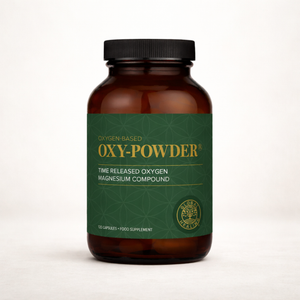
Porridge is a great start. If things still feel sluggish, Oxy-Powder gently supports regular, comfortable bowel movements.
Shop Oxy-Powder →My experience of porridge
I eat porridge more frequently during the colder months—usually about three times a week and occasionally four.
I find that it gives me balanced, consistent energy rather than a sudden spike. A 40g serving with suitable toppings can keep me satisfied for several hours, and I generally find it easy to digest.
Because it is filling and contains a reasonable amount of fibre, I do not feel that I need it every day. Three or four times weekly suits me.
That is the point of an individual approach: notice how a food makes you feel and find the frequency that works for your body.
A client who changed her morning by changing breakfast
One client was accustomed to very quick breakfasts—processed cereal, toast or a breakfast bar. She had never seriously considered porridge because the faster options had become automatic.
When she introduced porridge, she noticed how warming it felt during winter. It kept her satisfied for longer and gave her more time to organise a proper snack or lunch before becoming extremely hungry.
She also relied less on sugary breakfast foods.
It was not a dramatic or restrictive diet. Beginning the morning with something warm and substantial simply helped the rest of her morning feel more balanced.
Can people with coeliac disease eat porridge?
Oats themselves do not contain wheat gluten, but ordinary oats are frequently contaminated with wheat, barley or rye during growing and processing.
Anyone with coeliac disease should choose oats specifically labelled gluten-free.
I have coeliac disease and use gluten-free porridge oats. They suit me well. However, a small number of people with coeliac disease react to avenin, the naturally occurring oat protein, even when the oats are certified gluten-free.
If you have recently been diagnosed, still have symptoms or are unsure whether oats suit you, follow the advice of your dietitian or gastroenterology team.
Something lighter, such as yoghurt and fruit, may suit you better while your digestive system settles.
What if I simply don’t like porridge?
You do not have to eat it.
You could experiment with:
- Chia porridge
- Quinoa
- Millet
- Rice flakes
- Unsweetened granola
- Puffed grains
- Natural yoghurt with fruit, nuts and seeds
- Eggs with vegetables
Porridge is a suggestion, not a rule. Try different grains, textures and toppings until you find a breakfast that you enjoy and that supports your energy and digestion.
Frequently asked questions about porridge
Are jumbo oats healthier than regular porridge oats?
Not necessarily. Both are oat flakes and are nutritionally similar. Jumbo oats are larger and chewier, while regular flakes cook more quickly and produce a softer texture.
Do I have to soak porridge oats overnight?
No. Soaking is particularly helpful for softening jumbo oats and reducing cooking time, but ordinary porridge oats can be cooked without soaking.
Is porridge good for cholesterol?
Oats contain beta-glucan, which contributes to maintaining normal blood cholesterol levels. The recognised beneficial daily intake is 3g of beta-glucan. A bowl of porridge contributes, but the amount depends on the product and serving size.
Can porridge make bloating worse?
It can for some people, particularly if they suddenly increase their fibre intake or have a sensitive digestive system. Begin with a modest portion and introduce linseed and other high-fibre toppings gradually.
Can I eat porridge every day?
Many people can, but it is not essential. Let your appetite, overall diet and digestive response guide how frequently you eat it.
Find the porridge that works for you
Consider using porridge as one of your healthy breakfast options rather than feeling that there is one perfect way to eat it.
Choose jumbo or regular oats, organic or conventional, and gluten-free oats when medically required. Experiment with your preferred milk, texture and toppings.
The principle is simple: you are beginning the day with a filling wholegrain food that provides fibre and may support your digestion.
You may also like:
- Oxy-Powder: What I’ve Learned in 20 Years
- Top 10 Tips for Healthy Eating
- Eating Well When You’re Busy
If constipation, bloating or another digestive concern is not improving, email me at edel@thewellbeingclinic.ie and tell me what is happening.
Edel
The Wellbeing Clinic